

.jpg?width=815&name=Buikslotermeer_Adam_M500%20(3).jpg)

.jpg?width=250&name=Buikslotermeer_Adam_M500%20(3).jpg)

.jpg)
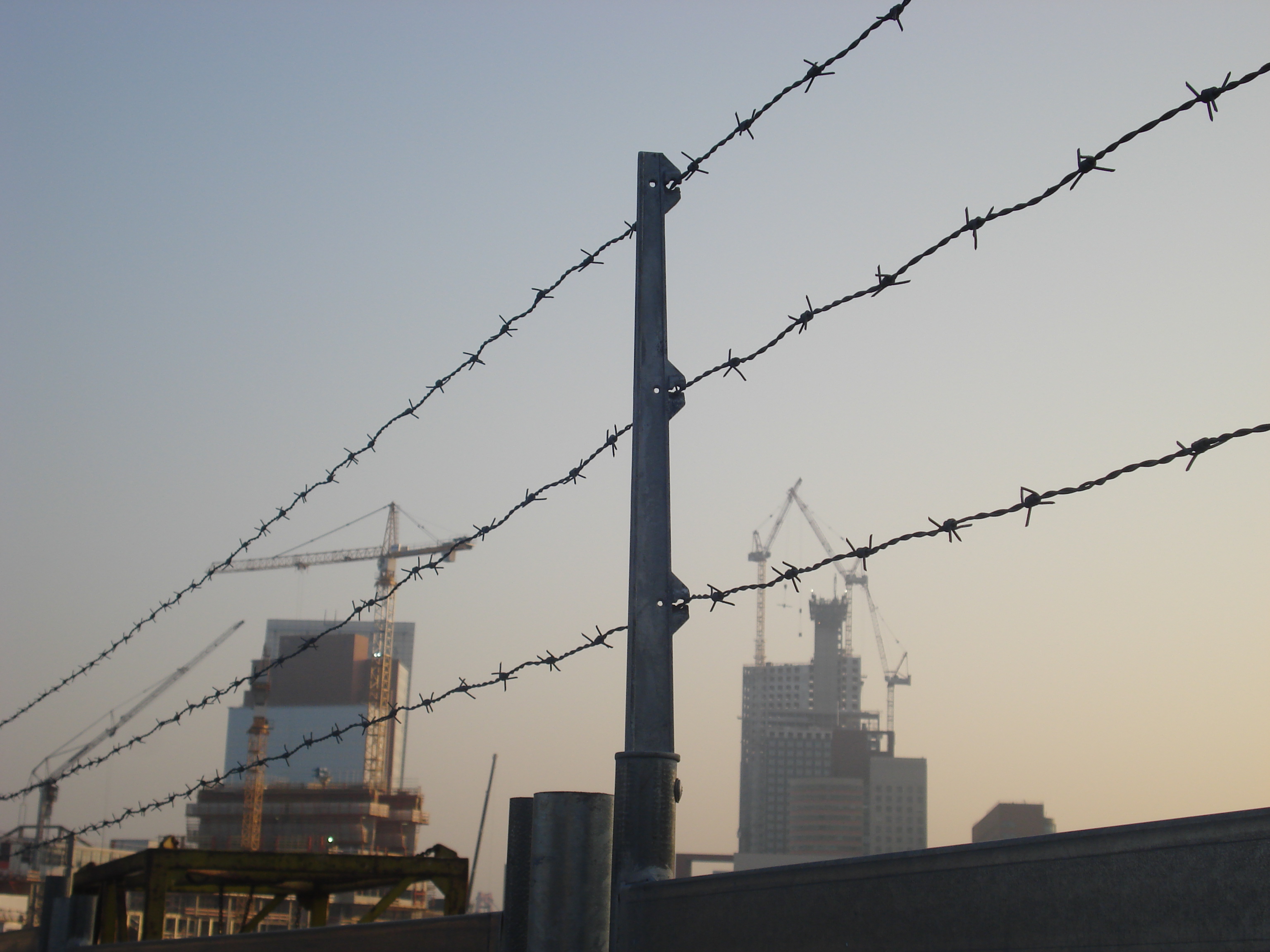
Securing terminals and storage areas
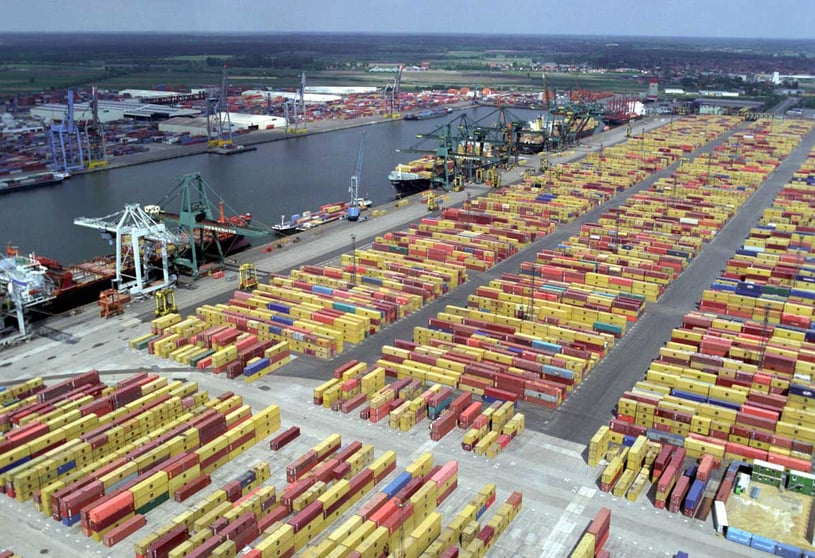
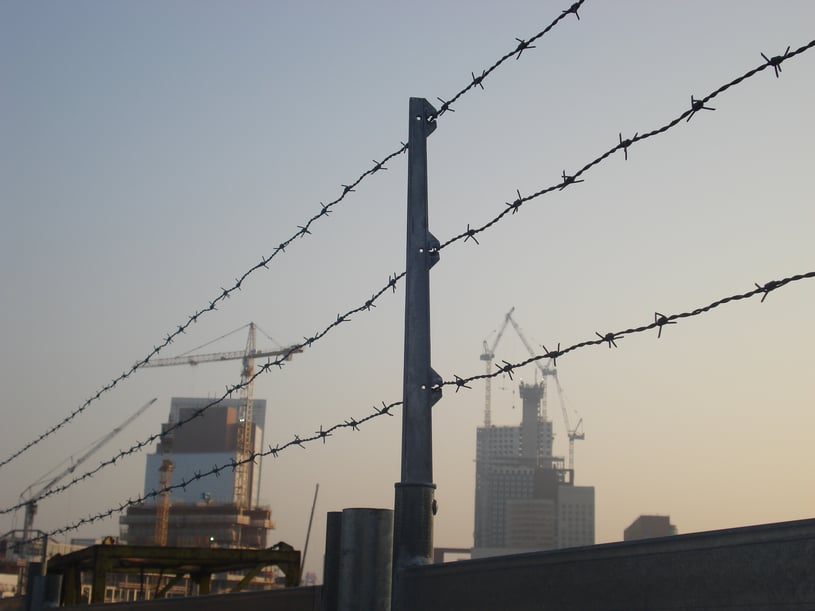
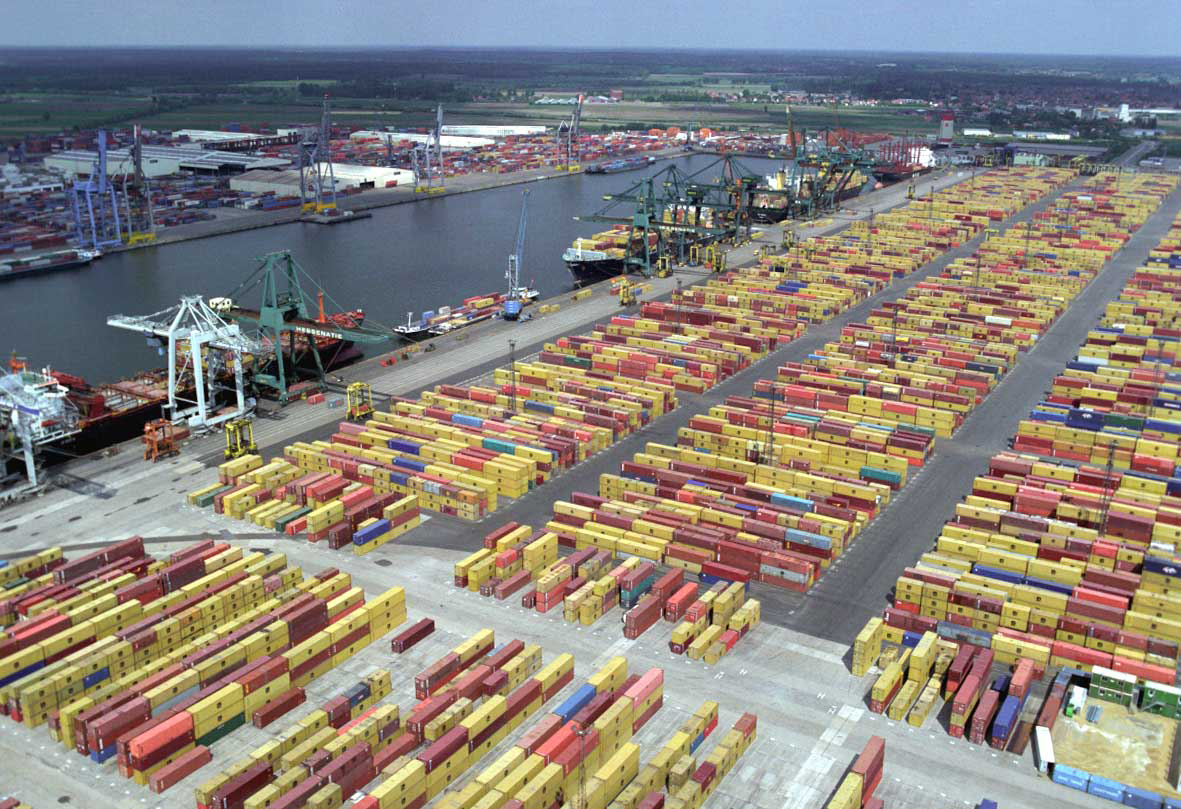
Ports often store valuable goods before onward transport. Temporary fencing helps define storage areas and limit unauthorized access. As a dealer, you can advise combining fencing with lockable gates and strong locks to improve security.
.jpg?width=593&name=Jaarbeursplein_bouw_schuifpoort%20(4).jpg)
Organizing logistics routes
Vehicles, containers, and personnel are constantly moving across port sites. Temporary fencing can be used to create clear logistics routes for vehicles and pedestrians. As a dealer, this is a practical application for guiding traffic flows on site.
.jpeg?width=593&name=c0102000%20heras%20bouwhek%20semi%20permanent%20no%20filter%20(1).jpeg)
Temporarily defining work areas
During maintenance or construction works in ports, certain areas may need to be temporarily closed off. Temporary fencing enables clear demarcation without permanent site modifications. Using fencing panels and couplers allows customers to create strong yet flexible barriers.
.jpeg?width=593&name=c0102000%20heras%20bouwhek%20semi%20permanent%20no%20filter%20(2).jpeg)
Protection against wind
Port areas are often located in open environments where wind plays a significant role. Strong winds can affect the stability of temporary fencing. Therefore, we recommend using a brace on each fence panel in windy locations or extreme weather conditions. This significantly increases the stability of the entire fence line and ensures a safe enclosure.
.jpg?width=593&name=Schoorplaat-groot-_1500mm__2400x1400%20(1).jpg)